


The Evolving Role of Instructional Designers in Today's World
Updated: Aug 25, 2024
It's no secret that instructional designers are in demand the world over. This is especially true after Covid 19 when the world chose the home rather than the workspace to get work done. Learners too preferred the coziness of the home to learn rather than commit to traveling for a training class. Stakeholders were happy to have trimmed budgets and so instructional designing became a career in demand.
So, who are instructional designers and what do they do?
In a nutshell, instructional designers design online learning. Some deal with corporate learning and others with academic learning. Some deal only with the content based on instructional design principles and theory and others extend their skills to implementing the design into eLearning authoring tools. Choosing the right path depends largely on your personality. If you enjoy corporate environments and aligning learning with business outcomes, corporate training might suit you. Those passionate about academic growth may prefer educational content development. Tech-savvy individuals who enjoy creating digital learning experiences may find a niche in e-learning. If you thrive in creating intensive, focused learning experiences, consider workshop planning.
This article aims to explore what it means to be an instructional designer today, the variety of roles available, key competencies, and the exciting potential of integrating AI into instructional design.
The Diverse Roles of Instructional Designers
1. Corporate Training Designers: These professionals focus on employee training, developing programs that enhance skills and knowledge aligned with business goals.
2. Educational Content Developers: Working primarily in schools and universities, they design curricula and learning modules that adhere to educational standards.
3. E-Learning Specialists: They create interactive online courses, utilizing technology to make learning accessible and engaging.
4. Workshop and Seminar Planners: These designers specialize in short-term training sessions, focusing on specific skills or knowledge areas.
To stay relevant in the market, instructional designers need to have an understanding of the following key competencies and constantly upskill.
Understand Learning Theories: Knowledge of behaviorism, cognitivism, and constructivism is essential.
Be Tech-Savvy: Proficiency in e-learning software and multimedia tools is crucial.
Have Strong Analytical Skills: Designers must effectively analyze learner needs and learning outcomes.
Possess Creative Flair: Creativity in engaging learners and making content appealing is key.
Upskilling involves continuous learning. This could be through formal education, online courses, webinars, or attending industry conferences. Staying updated with the latest tools, technologies, and pedagogical theories is vital.
Instructional Design and AI: The Future of Learning
The potential of AI in instructional design is immense. AI can personalize learning experiences, adapt content to the learner’s pace and style, and provide real-time feedback. This integration can revolutionize how we approach learning and development, making it more efficient and impactful.
In conclusion, being an instructional designer today means being at the forefront of shaping how people learn and develop. It requires a blend of creativity, technical skills, and a deep understanding of learning theories and AI prompt generation. With the advent of AI, the field is poised for a transformative shift, promising exciting developments in the future of education and training.
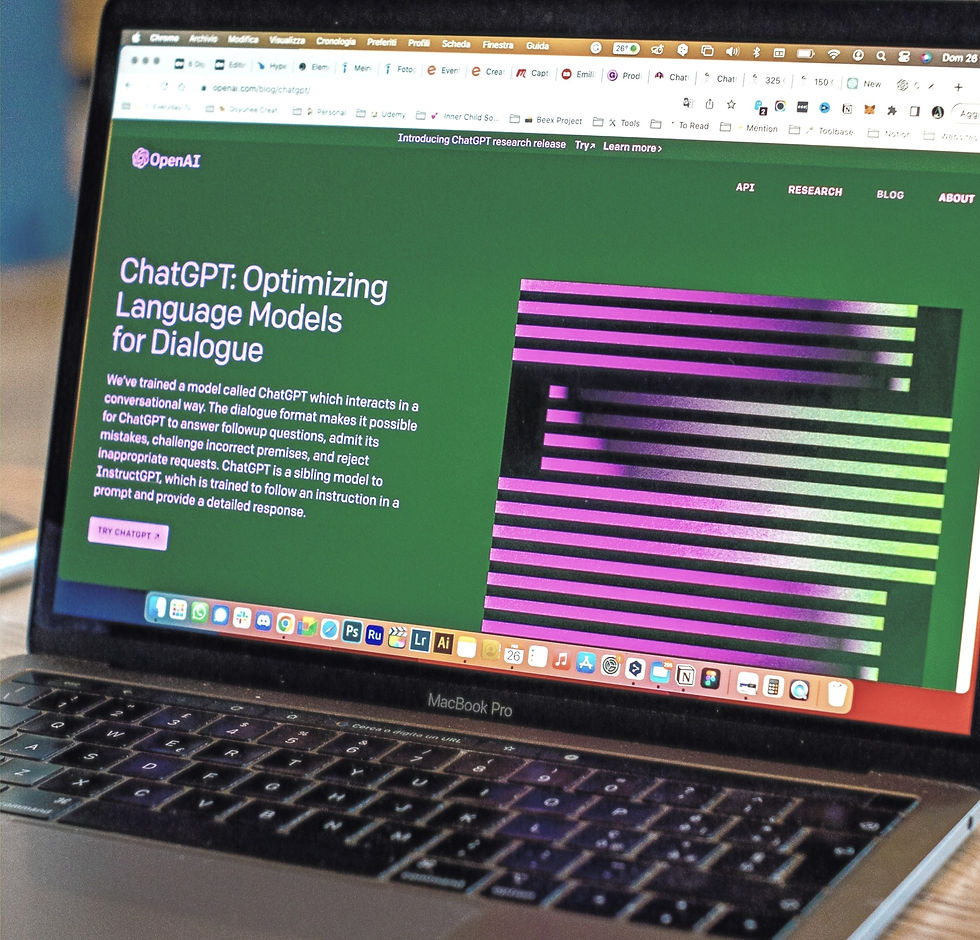
Note: The article above was generated with assistance from Microsoft's Bing and Chat GPT 4. While attempting to understand how Bing worked, the prompt I used was 'article on instructional design' and selected Blog post. Based on the text it generated, I added the text that Bing had generated in Chat GPT 4 and added the following prompt to it:
Prompt in Chat GPT 4:
Use the following content and write a meaningful concise article on what it means to be an instructional designer today. Mention the different types of instructional designer roles in demand across the world and how to choose what will be a best fit for you based on your personality. Move on to mention what instructional designers need to be competent in and how to upskill. End with mentioning the potential of instructional design and AI in learning and development.
I then wrote the introductory paragraph based on my experience as an instructional designer.
#AI #instructional designer #AI prompt #instructional designer


Comments